The under-eye area is often one of the first places we notice that we look tired — even when we don’t feel it.
Darkness, fine crepey skin, puffiness and hollowness can all contribute to that tired appearance, but importantly, they don’t all have the same cause. That’s why finding the right treatment for the under-eye area starts with understanding what is actually creating the concern.
One treatment you may have heard much more about recently is polynucleotides. But what do under-eye polynucleotides actually do, and are they really a treatment for dark circles?
What are polynucleotides?
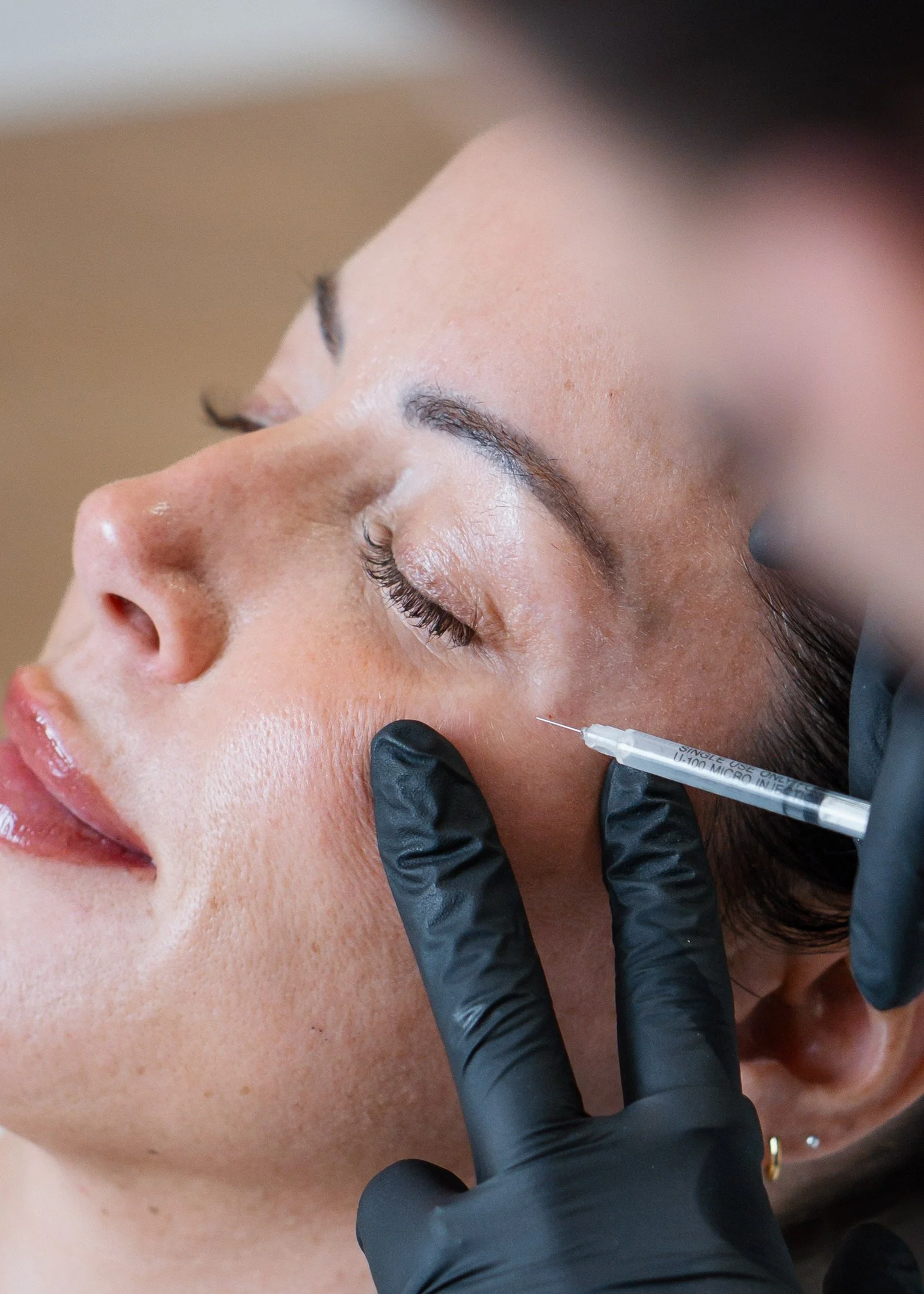
Polynucleotides are an injectable treatment used with the aim of improving overall skin quality and supporting skin regeneration.
Unlike dermal filler, they aren’t primarily used to add volume or alter the shape of the face. Instead, they are chosen when the objective is to improve the condition, texture and appearance of the skin itself.
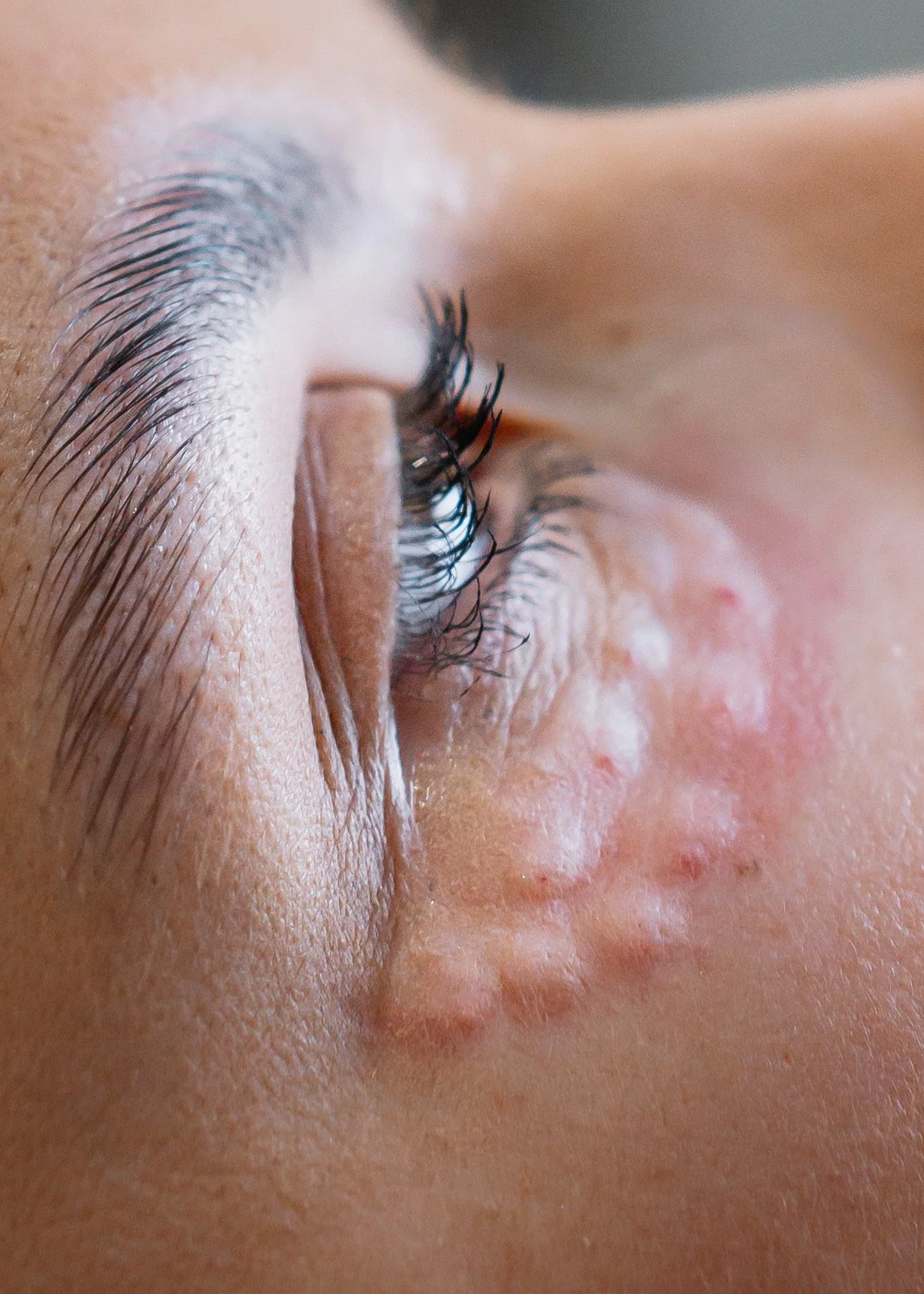
This makes them particularly interesting for the delicate under-eye area, where skin is naturally much thinner than elsewhere on the face.
Over time, the skin beneath the eyes can begin to look less firm, more crepey or generally more tired. Polynucleotides can form part of a treatment plan designed to improve that skin quality gradually rather than creating an instant or dramatic change.
Can polynucleotides help dark circles?
Sometimes — but this is where the distinction between different types of dark circles becomes important.
Under-eye darkness can be caused by pigmentation, visible blood vessels beneath thin skin, shadowing from hollowness, lifestyle factors or a combination of several things.
If the tired appearance is being exaggerated by thin, crepey or poor-quality skin, improving the skin itself may make the area look fresher and healthier.
However, polynucleotides cannot simply “erase” every type of dark circle. If shadowing is predominantly caused by significant hollowness, for example, a different treatment approach may need to be considered.
This is why we prefer to assess the area rather than recommending an under-eye treatment based on one symptom alone.
Polynucleotides vs tear trough filler
Although both treatments may be discussed in relation to tired-looking eyes, they work very differently.
Tear trough filler is designed to add volume and may be considered where hollowness or loss of support is creating shadow beneath the eye. Polynucleotides are focused much more on the quality of the skin.
For someone who doesn’t necessarily need additional volume but is concerned about fine lines, crepiness or delicate-looking skin, polynucleotides may therefore be a more appropriate conversation.
And in some cases, neither treatment will be the best option.
The anatomy around the eyes is complex, which is exactly why an individual assessment matters.
When will you see results?
Polynucleotides are not designed as an instant transformation.
The goal is gradual improvement, meaning clients usually need to allow time for changes in skin quality to develop. A course of treatments may also be recommended depending on the starting point and desired result.
For many people, this is part of the appeal. The outcome should feel subtle — you may simply begin to look fresher, less tired or as though the skin beneath your eyes is in better condition.
The right treatment for tired eyes starts with the cause
If you’ve been searching for the best treatment for dark circles or tired-looking eyes, there isn’t one universal answer.
At Elegance Aesthetics & Skincare, we assess the under-eye area carefully before recommending treatment. Sometimes the priority is improving skin quality. Sometimes it’s volume loss. Sometimes pigmentation or lifestyle factors are playing a larger role.
Polynucleotides can be an excellent option for the right concern, but as with every aesthetic treatment, the best result begins with choosing the treatment your skin actually needs.
Elegance Aesthetics & Skincare
A 5☆ rated clinic by hundreds of happy customers.