Tretinoin has become one of the most talked-about ingredients in advanced skincare — and for good reason.
Used appropriately, prescription tretinoin can form part of a long-term skincare plan for concerns including acne, uneven skin texture, pigmentation and signs of ageing.
But there is a question we hear increasingly often from clients who already use powerful active skincare:
If I’m using tretinoin, do I still need professional skin treatments?
The answer isn’t about choosing one or the other. They do different jobs.
What does tretinoin actually do?
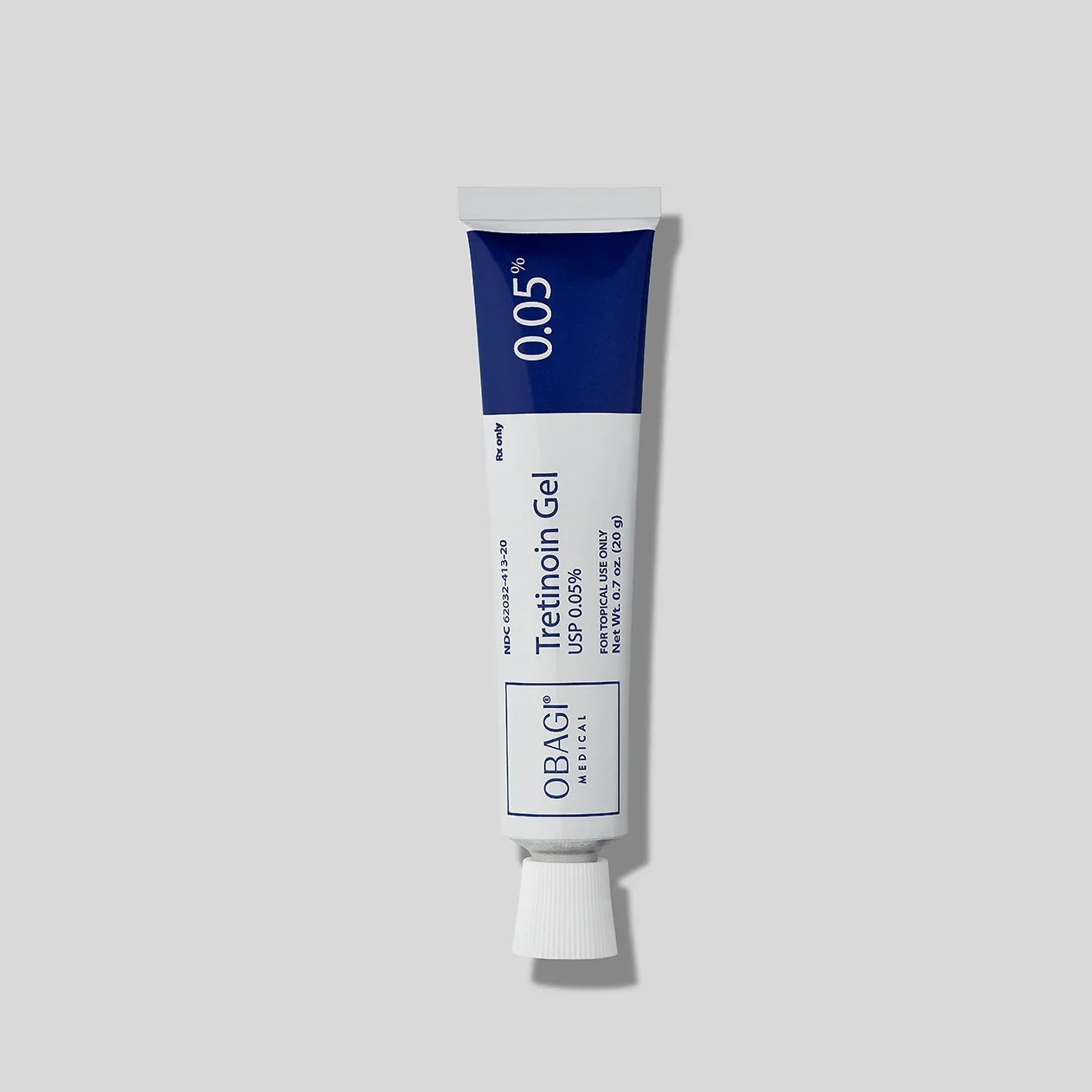
Tretinoin is a prescription retinoid derived from vitamin A. It works by influencing skin-cell turnover and can help improve several concerns over time.
Unlike a treatment performed occasionally in clinic, tretinoin is typically used consistently as part of a homecare routine.
That consistency is one of its strengths — but it can also mean the skin needs to be managed carefully.
More isn’t automatically better when it comes to active skincare. Increasing strength, combining multiple exfoliating products and continuously trying to accelerate results can leave some people with irritation, dryness or a compromised skin barrier.
A good routine needs to be effective and tolerable.
Why have professional treatments if you already use tretinoin?
Professional treatments can target concerns in ways that topical skincare cannot necessarily replicate.
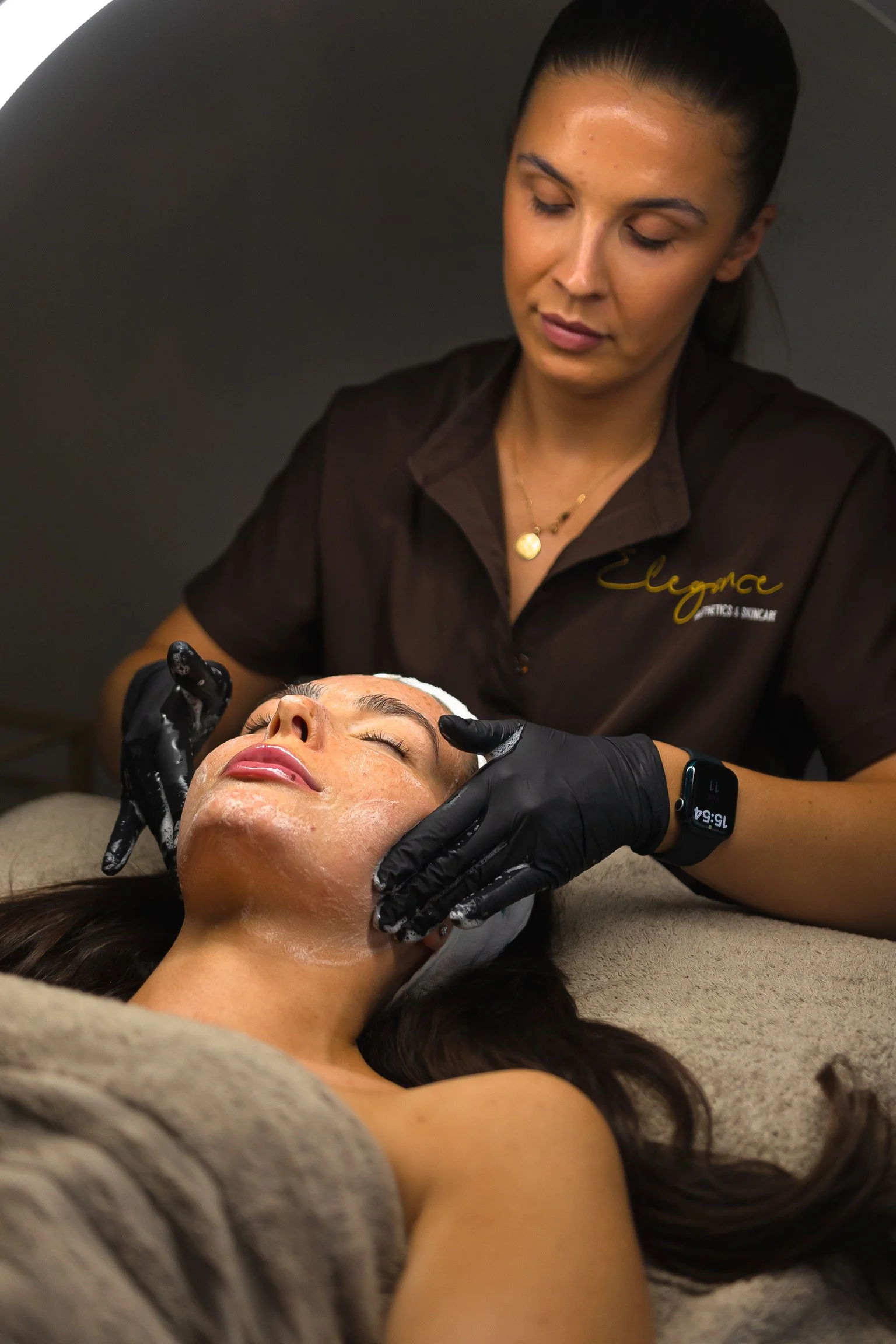
Microneedling, for example, creates controlled microchannels within the skin to stimulate a repair response and collagen production. Advanced skin peels use carefully selected acids at professional strengths to improve particular concerns. CO2 laser resurfacing works at another level again and may be considered for more significant texture, scarring or signs of ageing.
Tretinoin can be an excellent part of maintaining and improving the skin, but that doesn’t mean it performs the same function as every treatment available in clinic.
The most effective approach is often to consider how homecare and professional treatment can complement one another.
Can you have a chemical peel or microneedling while using tretinoin?
Potentially, yes — but this is exactly where professional guidance matters.
Tretinoin can make the skin more reactive, particularly if it has been recently introduced, the strength has changed or the skin is already showing signs of irritation.
Certain treatments may therefore require adjustments to your skincare routine beforehand and afterwards. How long tretinoin needs to be paused, if at all, depends on factors including the treatment being performed, the product being used and your individual skin.
It isn’t something we recommend guessing.
Turning up for an advanced peel or resurfacing treatment without disclosing prescription skincare can significantly change how your skin responds.
Your skin barrier still matters
One of the biggest misconceptions in skincare is that irritation is evidence that a product is “working”.
It isn’t.
Some dryness or adjustment can occur when starting tretinoin, but continuously red, sore or sensitised skin isn’t a result to chase.
Before performing more intensive professional treatments, we want the skin to be in a condition where it can respond and recover appropriately.
Sometimes the best treatment plan is therefore to do less for a short period — not more.
Build a skin plan rather than collecting treatments
At Elegance Aesthetics & Skincare, we look at professional treatments and homecare as parts of the same picture.
If you already use tretinoin, that information helps us decide which treatments may complement your routine, what may need to be avoided temporarily and how we can support your skin before and after treatment.
You don’t necessarily need to choose between prescription skincare and professional treatments.
You simply need a plan in which everything has a reason for being there.
Elegance Aesthetics & Skincare
A 5☆ rated clinic by hundreds of happy customers.